Skip to content
Yuan Tian

Publications

21 publications on T cell immunology, vaccines, and single-cell multi-omics. Also on Google Scholar.

2025

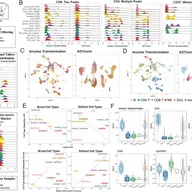
  • ADTnorm: robust integration of single-cell protein measurement across CITE-seq datasets

    Ye Zheng, Daniel P Caron, Ju Yeong Kim, Seong-Hwan Jun, Yuan Tian, Florian Mair, Kenneth D Stuart, Peter A Sims, Raphael Gottardo

    Nature Communications 16, 5852

    DOIPDF
    Abstract

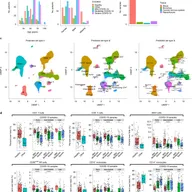
    Cellular Indexing of Transcriptomes and Epitopes by Sequencing (CITE-seq) enables paired measurement of surface protein and mRNA expression in single cells using antibodies conjugated to oligonucleotide tags. Due to the high copy number of surface protein molecules, sequencing antibody-derived tags (ADTs) allows for robust protein detection, improving cell-type identification. However, variability in antibody staining leads to batch effects in the ADT expression, obscuring biological variation, reducing interpretability, and obstructing cross-study analyses. Here, we present ADTnorm, a normalization and integration method designed explicitly for ADT abundance. Benchmarking against 14 existing scaling and normalization methods, we show that ADTnorm accurately aligns populations with negative- and positive-expression of surface protein markers across 13 public datasets, effectively removing technical variation across batches and improving cell-type separation. ADTnorm enables efficient integration of public CITE-seq datasets, each with unique experimental designs, paving the way for atlas-level analyses. Beyond normalization, ADTnorm includes built-in utilities to aid in automated threshold-gating as well as assessment of antibody staining quality for titration optimization and antibody panel selection. Applying ADTnorm to an antibody titration study, a published COVID-19 CITE-seq dataset, and a human hematopoietic progenitors study allowed for identifying previously undetected phenotype-associated markers, illustrating a broad utility in biological applications.
  • Hallmarks of T-cell exhaustion and antigen experience are absent in multiple myeloma from diagnosis to maintenance therapy

    Carolyn Shasha, David R Glass, Ernest Moelhman, Laura Islas, Yuan Tian, Tony Chour, Guoyue Xu, Gregory L Szeto, Tao Peng, Xiaoling Song, Michelle Wurscher, Andrew J Cowan, Thomas F Bumol, Troy R Torgerson, Philip D Greenberg, Damian J Green, Evan W Newell

    Blood 145(26), 3113-3123

    DOI
    Abstract

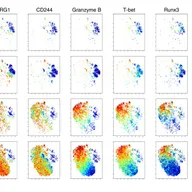
    Dysregulation of the bone marrow (BM) niche in multiple myeloma (MM) alters the composition and state of resident immune cells, potentially impeding antitumor immunity. One common mechanism of immune inhibition in solid tumors is the induction of exhaustion in tumor-specific T cells. However, the extent of T-cell exhaustion is not well characterized in MM. As the specific mechanisms of immune evasion are critical for devising effective therapeutic strategies, we deeply profiled the CD8+ T-cell compartment of patients with newly diagnosed MM (NDMM) for evidence of T-cell activation and exhaustion. We applied single-cell multiomic sequencing and mass cytometry to longitudinal BM and peripheral blood (PB) samples taken from time points spanning from diagnosis to induction therapy, autologous stem cell transplant, and maintenance therapy. We identified an exhausted-like population that lacked several canonical exhaustion markers, was not significantly enriched in patients with NDMM, and consisted of small, nonpersistent clonotypes. We also observed an activated population with increased frequency in the PB of patients with NDMM exhibiting phenotypic and clonal features consistent with homeostatic, cytokine-driven activation. As an orthogonal measurement of T-cell exhaustion, we performed intracellular cytokine staining and found that patients with NDMM lacked functionally exhausted T cells. In summary, there was no evidence of “tumor-experienced” T cells displaying hallmarks of terminal exhaustion and/or antigen-driven activation/expansion in patients with NDMM at any time point.

  • Tumor gene expression signatures associated with outcome in large B-cell lymphoma treated with CD19-directed CAR T-cell therapy (axicabtagene ciloleucel)

    Yuan Tian, Justin Budka, Frederick L Locke, Jason R Westin, Christina To, Gayatri Tiwari, Daqin Mao, Davide Bedognetti, Rhine R Shen, Jorge Andrade, Simone Filosto

    Frontiers in Oncology 15, 1519473

    DOI
    Abstract

    CAR T cell therapy provided transformative outcomes for patients with B-cell lymphoma, yet a large fraction of patients remains at risk for relapse, underlining the need to uncover mechanisms of resistance and predictive biomarkers. Leveraging the ZUMA-7 phase III randomized trial of relapsed/refractory large B-cell lymphoma treated with axicabtagene ciloleucel (axi-cel), we used multivariate penalized Cox models on tumor transcriptomes from 134 axi-cel patients to discover gene expression signatures (GES) associated with outcome. We identified a six-gene signature correlated with improved outcome, representing lymphomas with abundant CD19 target antigen, adhesion molecules, and relatively low immune infiltration composed mostly of cytotoxic lymphocytes and dendritic cells, and a 17-gene signature correlated with disease progression, consistent with high immune inflammation and escape mechanisms such as DNA damage repair, chromatin remodeling, inhibition of apoptosis, and a metabolically restrictive environment. Neither signature correlated with outcome in the standard-of-care arm or in frontline therapy, supporting their predictive rather than prognostic value. The findings were reproduced in a subset of ZUMA-7 samples profiled by RNA-seq, and the signatures shifted at progression in the expected directions. These results are informative for risk stratification and the development of next-generation CAR T products.

2022

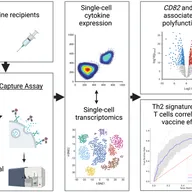
  • Th2-Biased Transcriptional Profile Predicts HIV Envelope-Specific Polyfunctional CD4+ T Cells That Correlated with Reduced Risk of Infection in RV144 Trial

    Kristen W Cohen, Yuan Tian, Casey Thayer, Aaron Seese, Robert Amezquita, M Juliana McElrath, Stephen C De Rosa, Raphael Gottardo

    The Journal of Immunology 209(3), 526-534

    DOIPDF
    Abstract

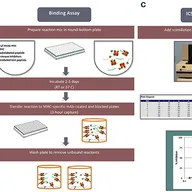
    Ag-specific T cells play a critical role in responding to viral infections. In the RV144 HIV vaccine clinical trial, a rare subset of HIV-specific polyfunctional CD4+ T cells correlated with reduced risk of HIV-1 infection. Polyfunctional T cells are a subset of Ag-specific T cells that are able to simultaneously produce multiple effector cytokines. Little is known about what differentiates polyfunctional T cells from other vaccine-elicited T cells in humans. Therefore, we developed a novel live-cell multiplexed cytokine capture assay to identify, isolate, and transcriptionally profile vaccine-specific polyfunctional CD4+ T cells. We applied these methods to samples from subjects who received the RV144 vaccine regimen, as part of the HVTN 097 clinical trial. We identified two surface receptors (CD44 and CD82) upregulated on polyfunctional T cells and a Th2-biased transcriptional signature (IL-4, IL-5, and IL-13) that predicted the envelope-specific polyfunctional CD4+ T cell profiles that had correlated with reduced risk of HIV infection in RV144. By linking single-cell transcriptional and functional profiles, we may be able to further define the potential contributions of polyfunctional T cells to effective vaccine-elicited immunity.

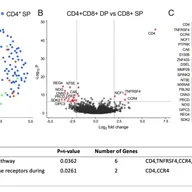
  • A Population of CD4+CD8+ Double-Positive T Cells Associated with Risk of Plasma Leakage in Dengue Viral Infection

    Esther Dawen Yu, Hao Wang, Ricardo da Silva Antunes, Yuan Tian, Rashmi Tippalagama, Shakila U Alahakoon, Gayani Premawansa, Ananda Wijewickrama, Sunil Premawansa, Aruna Dharshan De Silva, April Frazier, Alba Grifoni, Alessandro Sette, Daniela Weiskopf

    Viruses 14(1), 90

    DOIPDF
    Abstract

    According to the WHO 2009 classification, dengue with warning signs is at the risk of developing severe form of dengue disease. One of the most important warning signs is plasma leakage, which can be a serious complication associated with higher morbidity and mortality. We report that the frequency of CD4+CD8+ double-positive (DP) T cells is significantly increased in patients at risk of developing plasma leakage. Transcriptomic analysis demonstrated that CD4+CD8+ DP cells were distinct from CD4+ Single Positive (SP) T cells but co-clustered with CD8+ SP cells, indicating a largely similar transcriptional profile. Twenty significant differentially expressed (DE) genes were identified between CD4+CD8+ DP and CD8+ SP cells. These genes encode OX40 and CCR4 proteins as well as other molecules associated with cell signaling on the cell surface (NT5E, MXRA8, and PTPRK). While comparing the profile of gene expression in CD4+CD8+ DP cells from patients with and without warning signs of plasma leakage, similar expression profile was observed, implying a role of CD4+CD8+ DP cells in plasma leakage through a quantitative increase rather than functional alteration. This study provided novel insight into the host immune response during the acute febrile phase of DENV infection and the role of CD4+CD8+ DP T cells in the pathogenesis of plasma leakage.

2021

  • Single-cell immunology of SARS-CoV-2 infection

    Yuan Tian, Lindsay N Carpp, Helen ER Miller, Michael Zager, Evan W Newell, Raphael Gottardo

    Nature Biotechnology 40(1), 30-41

    DOIPDF
    Abstract

    Gaining a better understanding of the immune cell subsets and molecular factors associated with protective or pathological immunity against severe acute respiratory syndrome coronavirus (SARS-CoV)-2 could aid the development of vaccines and therapeutics for coronavirus disease 2019 (COVID-19). Single-cell technologies, such as flow cytometry, mass cytometry, single-cell transcriptomics and single-cell multi-omic profiling, offer considerable promise in dissecting the heterogeneity of immune responses among individual cells and uncovering the molecular mechanisms of COVID-19 pathogenesis. Single-cell immune-profiling studies reported to date have identified innate and adaptive immune cell subsets that correlate with COVID-19 disease severity, as well as immunological factors and pathways of potential relevance to the development of vaccines and treatments for COVID-19. For facilitation of integrative studies and meta-analyses into the immunology of SARS-CoV-2 infection, we provide standardized, download-ready versions of 21 published single-cell sequencing datasets (over 3.2 million cells in total) as well as an interactive visualization portal for data exploration.

  • A system-view of Bordetella pertussis booster vaccine responses in adults primed with whole-cell versus acellular vaccine in infancy

    Ricardo da Silva Antunes, Ferran Soldevila, Mikhail Pomaznoy, Mariana Babor, Jason Bennett, Yuan Tian, Natalie Khalil, Yu Qian, Aishwarya Mandava, Richard H Scheuermann, Mario Cortese, Bali Pulendran, Christopher D Petro, Adrienne P Gilkes, Lisa A Purcell, Alessandro Sette, Bjoern Peters

    JCI Insight 6(7), e141023

    DOIPDF
    Abstract

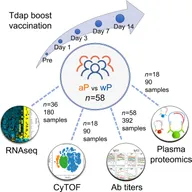
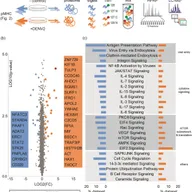
    The increased incidence of whooping cough worldwide suggests that current vaccination against Bordetella pertussis infection has limitations in quality and duration of protection. The resurgence of infection has been linked to the introduction of acellular vaccines (aP), which have an improved safety profile compared with the previously used whole-cell (wP) vaccines. To determine immunological differences between aP and wP priming in infancy, we performed a systems approach of the immune response to booster vaccination. Transcriptomic, proteomic, cytometric, and serologic profiling revealed multiple shared immune responses with different kinetics across cohorts, including an increase of blood monocyte frequencies and strong antigen-specific IgG responses. Additionally, we found a prominent subset of aP-primed individuals (30%) with a strong differential signature, including higher levels of expression for CCL3, NFKBIA, and ICAM1. Contrary to the wP individuals, this subset displayed increased PT-specific IgE responses after boost and higher antigen-specific IgG4 and IgG3 antibodies against FHA and FIM2/3 at baseline and after boost. Overall, the results show that, while broad immune response patterns to Tdap boost overlap between aP- and wP-primed individuals, a subset of aP-primed individuals present a divergent response. These findings provide candidate targets to study the causes and correlates of waning immunity after aP vaccination.

  • Superscan: Supervised Single-Cell Annotation

    Carolyn Shasha, Yuan Tian, Florian Mair, Helen ER Miller, Raphael Gottardo

    bioRxivPreprint

    DOIPDF
    Abstract

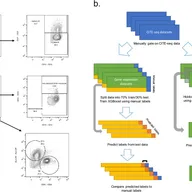
    Automated cell type annotation of single-cell RNA-seq data has the potential to significantly improve and streamline single cell data analysis, facilitating comparisons and meta-analyses. However, many of the current state-of-the-art techniques suffer from limitations, such as reliance on a single reference dataset or marker gene set, or excessive run times for large datasets. Acquiring high-quality labeled data to use as a reference can be challenging. With CITE-seq, surface protein expression of cells can be directly measured in addition to the RNA expression, facilitating cell type annotation. Here, we compiled and annotated a collection of 16 publicly available CITE-seq datasets. This data was then used as training data to develop Superscan, a supervised machine learning-based prediction model. Using our 16 reference datasets, we benchmarked Superscan and showed that it performs better in terms of both accuracy and speed when compared to other state-of-the-art cell annotation methods. Superscan is pre-trained on a collection of primarily PBMC immune datasets; however, additional data and cell types can be easily added to the training data for further improvement. Finally, we used Superscan to reanalyze a previously published dataset, demonstrating its applicability even when the dataset includes cell types that are missing from the training set.

2019

  • Molecular Signatures of Dengue Virus-Specific IL-10/IFN-γ Co-producing CD4 T Cells and Their Association with Dengue Disease

    Yuan Tian, Grégory Seumois, Luzia M De-Oliveira-Pinto, Jose Mateus, Sara Herrera-de la Mata, Cheryl Kim, Denise Hinz, ND Suraj Goonawardhana, Aruna D de Silva, Sunil Premawansa, Gayani Premawansa, Ananda Wijewickrama, Angel Balmaseda, Alba Grifoni, Pandurangan Vijayanand, Eva Harris, Bjoern Peters, Alessandro Sette, Daniela Weiskopf

    Cell Reports 29(13), 4482-4495

    DOIPDF
    Abstract

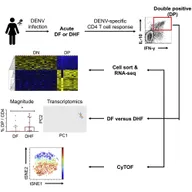
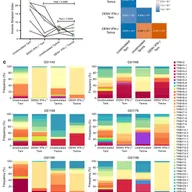
    Dengue virus (DENV) can cause diseases ranging from dengue fever (DF) to more severe dengue hemorrhagic fever/dengue shock syndrome (DHF/DSS). Whether antiviral T cells contribute to the protection against or pathogenesis of severe disease is not well defined. Here, we identified antigen-specific IL-10+IFN-γ+ double-positive (DP) CD4 T cells during acute DENV infection. While the transcriptomic signatures of DP cells partially overlapped with those of cytotoxic and type 1 regulatory CD4 T cells, the majority of them were non-cytotoxic/Tr1 and included IL21, IL22, CD109, and CCR1. Although we observed a higher frequency of DP cells in DHF, the transcriptomic profile of DP cells was similar in DF and DHF, suggesting that DHF is not associated with the altered phenotypic or functional attributes of DP cells. Overall, this study revealed a DENV-specific DP cell subset in patients with acute dengue disease and argues against altered DP cells as a determinant of DHF.

  • Transcriptomic immune profiles of human flavivirus‐specific T‐cell responses

    Alba Grifoni, Yuan Tian, Alessandro Sette, Daniela Weiskopf

    Immunology 160(1), 3-9

    DOIPDF
    Abstract

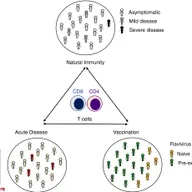
    The Flavivirus genus of viruses includes dengue (DENV), Zika (ZIKV), yellow fever (YFV), Japanese encephalitis (JEV), and West Nile (WNV) viruses. Infections with these species combined are prevalent in tropical and sub-tropical areas, affecting millions of people and ranging from asymptomatic to severe forms of the disease. They therefore pose a serious threat to global public health. Several studies imply a role for T cells in the protection but also pathogenesis against the different flavivirus species. Identifying flavivirus-specific T-cell immune profiles and determining how pre-exposure of one species might affect the immune response against subsequent infections from other species is important to further define the role of T cells in the immune response against infection. Understanding the immune profiles of the flavivirus-specific T-cell response in natural infection is important to understand the T-cell response in the context of vaccination. In this review, we summarize the current knowledge on human immune profiles of flavivirus-specific T-cell reactivity, comparing natural infection with the acute form of the disease and vaccination in different flavivirus infections.

  • Human T cell response to dengue virus infection

    Yuan Tian, Alba Grifoni, Alessandro Sette, Daniela Weiskopf

    Frontiers in Immunology 10, 2125

    DOIPDF
    Abstract

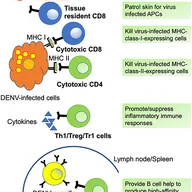
    DENV is a major public health problem worldwide, thus underlining the overall significance of the proposed Program. The four dengue virus (DENV) serotypes (1-4) cause the most common mosquito-borne viral disease of humans, with 3 billion people at risk for infection and up to 100 million cases each year, most often affecting children. The protective role of T cells during viral infection is well established. Generally, CD8 T cells can control viral infection through several mechanisms, including direct cytotoxicity and production of pro-inflammatory cytokines such as IFN- and TNF-. Similarly, CD4 T cells are thought to control viral infection through multiple mechanisms, including enhancement of B and CD8 T cell responses, production of inflammatory and anti-viral cytokines, cytotoxicity, and promotion of memory responses. To probe the phenotype of virus-specific T cells, epitopes derived from viral sequences need to be known. Here we discuss the identification of CD4 and CD8 T cell epitopes derived from DENV and how these epitopes have been used by researchers to interrogate the phenotype and function of DENV-specific T cell populations.

  • A Modified Injector and Sample Acquisition Protocol Can Improve Data Quality and Reduce Inter‐Instrument Variability of the Helios Mass Cytometer

    Brian H Lee, Geoffrey Kelly, Shermineh Bradford, Melanie Davila, Xinzheng V Guo, El‐Ad David Amir, Emily M Thrash, Michael D Solga, Joanne Lannigan, Brian Sellers, Julian Candia, John Tsang, Ruth R Montgomery, Stanley J Tamaki, Tara K Sigdel, Minnie M Sarwal, Lewis L Lanier, Yuan Tian, Cheryl Kim, Denise Hinz, Bjoern Peters, Alessandro Sette, Adeeb H Rahman

    Cytometry Part A 95(9), 1019-1030

    DOIPDF
    Abstract

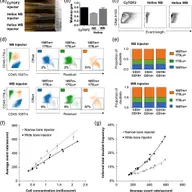
    Mass cytometry is a powerful tool for high-dimensional single cell characterization. Since the introduction of the first commercial CyTOF mass cytometer by DVS Sciences in 2009, mass cytometry technology has matured and become more widely utilized, with sequential platform upgrades designed to address specific limitations and to expand the capabilities of the platform. Fluidigm’s third-generation Helios mass cytometer introduced a number of upgrades over the previous CyTOF2. One of these new features is a modified narrow bore sample injector that generates smaller ion clouds, which is expected to improve sensitivity and throughput. However, following rigorous testing, we find that the narrow-bore sample injector may have unintended negative consequences on data quality and result in lower median and higher coefficients of variation in many antibody-associated signal intensities. We describe an alternative Helios acquisition protocol using a wider bore injector, which largely mitigates these data quality issues. We directly compare these two protocols in a multisite study of 10 Helios instruments across 7 institutions and show that the modified protocol improves data quality and reduces interinstrument variability. These findings highlight and address an important source of technical variability in mass cytometry experiments that is of particular relevance in the setting of multicenter studies. © 2019 International Society for Advancement of Cytometry.

  • Dengue-specific CD8+ T cell subsets display specialized transcriptomic and TCR profiles

    Yuan Tian, Mariana Babor, Jerome Lane, Grégory Seumois, Shu Liang, ND Suraj Goonawardhana, Aruna D De Silva, Elizabeth J Phillips, Simon A Mallal, Ricardo da Silva Antunes, Alba Grifoni, Pandurangan Vijayanand, Daniela Weiskopf, Bjoern Peters, Alessandro Sette

    The Journal of Clinical Investigation 129(4), 1727-1741

    DOIPDF
    Abstract

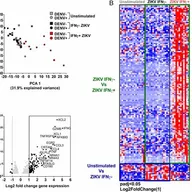
    Accumulating evidence demonstrates that CD8+ T cells contribute to protection from severe dengue virus (DENV) disease and vaccine efficacy. Nevertheless, molecular programs associated with DENV-specific CD8+ T cell subsets have not been defined. Here, we studied the transcriptomic profiles of human DENV-specific CD8+ T cells isolated after stimulation with DENV epitopes from donors who had been infected with DENV multiple times and would therefore be expected to have significant levels of adaptive immunity. We found that DENV-specific CD8+ T cells mainly consisted of effector memory subsets, namely CD45RA−CCR7− effector memory (Tem) and CD45RA+CCR7− effector memory re-expressing CD45RA (Temra) cells, which enacted specific gene expression profiles upon stimulation with cognate antigens. DENV-specific CD8+ T cell subsets in general, and Temra cells in particular, were fully activated and polyfunctional, yet associated with relatively narrow transcriptional responses. Furthermore, we found that DENV-specific CD8+ Tem and Temra cells showed some unique T cell receptor features in terms of overlap and variable (V) gene usage. This study provides a transcriptomic definition of DENV-specific activated human CD8+ T cell subsets and defines a benchmark profile that vaccine-specific responses could aim to reproduce.

2018

  • Cutting edge: transcriptional profiling reveals multifunctional and cytotoxic antiviral responses of Zika virus–specific CD8+ T cells

    Alba Grifoni, Priscilla Costa-Ramos, John Pham, Yuan Tian, Sandy L Rosales, Grégory Seumois, John Sidney, Aruna D De Silva, Lakshmanane Premkumar, Matthew H Collins, Mars Stone, Phillip J Norris, Claudia ME Romero, Anna Durbin, Michael J Ricciardi, Julie E Ledgerwood, Aravinda M De Silva, Michael Busch, Bjoern Peters, Pandurangan Vijayanand, Eva Harris, Andrew K Falconar, Esper Kallas, Daniela Weiskopf, Alessandro Sette

    The Journal of Immunology 201(12), 3487-3491

    DOIPDF
    Abstract

    Zika virus (ZIKV) constitutes an increasing public health problem. Previous studies have shown that CD8+ T cells play an important role in ZIKV-specific protective immunity. We have previously defined antigenic targets of the ZIKV-specific CD8+ T cell response in humans. In this study, we characterized the quality and phenotypes of these responses by a combined use of flow cytometry and transcriptomic methods, using PBMCs from donors deriving from different geographical locations collected in the convalescent phase of infection. We show that ZIKV-specific CD8+ T cells are characterized by a polyfunctional IFN-γ signature with upregulation of TNF-α, TNF receptors, and related activation markers, such as CD69, as well as a cytotoxic signature characterized by strong upregulation of GZMB and CRTAM. The signature is stable and not influenced by previous dengue virus exposure, geographical location, or time of sample collection postinfection. To our knowledge, this work elucidates the first in-depth characterization of human CD8+ T cells responding to ZIKV infection.

  • A Review on T Cell Epitopes Identified Using Prediction and Cell-Mediated Immune Models for Mycobacterium tuberculosis and Bordetella pertussis

    Yuan Tian, Ricardo da Silva Antunes, John Sidney, Cecilia S Lindestam Arlehamn, Alba Grifoni, Sandeep Kumar Dhanda, Sinu Paul, Bjoern Peters, Daniela Weiskopf, Alessandro Sette

    Frontiers in Immunology 9, 2778

    DOIPDF
    Abstract

    In the present review, we summarize work from our as well as other groups related to the characterization of bacterial T cell epitopes, with a specific focus on two important pathogens, namely, Mycobacterium tuberculosis (Mtb), the bacterium that causes tuberculosis (TB), and Bordetella pertussis (BP), the bacterium that causes whooping cough. Both bacteria and their associated diseases are of large societal significance. Although vaccines exist for both pathogens, their efficacy is incomplete. It is widely thought that defects and/or alteration in T cell compartments are associated with limited vaccine effectiveness. As discussed below, a full genome-wide map was performed in the case of Mtb. For BP, our focus has thus far been on the antigens contained in the acellular vaccine; a full genome-wide screen is in the planning stage. Nevertheless, the sum total of the results in the two different bacterial systems allows us to exemplify approaches and techniques that we believe are generally applicable to the mapping and characterization of human immune responses to bacterial pathogens. Finally, we add, as a disclaimer, that this review by design is focused on the work produced by our laboratory as an illustration of approaches to the study of T cell responses to Mtb and BP, and is not meant to be comprehensive, nor to detract from the excellent work performed by many other groups.

  • Immuno-proteomic interrogation of dengue infection reveals novel HLA haplotype-specific MHC-I antigens

    Kavya Swaminathan, Niclas Olsson, Peder J Lund, Caleb D Marceau, Lisa E Wagar, Yuan Tian, John Sidney, Daniela Weiskopf, Karim Majzoub, Aruna D de Silva, Eva Harris, Mark M Davis, Alessandro Sette, Jan E Carette, Joshua E Elias

    bioRxivPreprint

    DOIPDF
    Abstract

    Broadly effective vaccines against dengue virus (DENV) infection have remained elusive, despite rising infection rates in the developing world. Infection-specific peptide ligands presented on Major Histocompatibility Complexes (MHC) open new avenues for developing T-cell-based interventions. Past efforts towards mapping viral MHC epitopes were based on computational predictions that only partially reflected actual antigen presentation. To empirically identify DENV-specific MHC ligands, we developed an immuno-proteomics approach for interrogating DENV- and self-derived MHC ligands from infected B-lymphocytes. Here, we report four fundamental findings: First, over 700 infection-specific MHC-ligands reflected host cellular responses to DENV that were not apparent from the proteome. Second, we report 121 viral MHC-I ligands (108 novel) which clustered into discrete hotspots across the DENV polyprotein, some of which spanned DENV polyprotein components, described here as MHC ligands for the first time. Third, we found DENV ligands which were distinctly presented by MHC alleles previously associated with either high or low anti-DENV response. Fourth, we demonstrate that while our in vitro assay only overlapped with a small fraction of previously described DENV T-cell epitopes, several novel MHC ligands identified here were recognized by T-cells from DENV-infected patients despite having low binding affinities. Together, these discoveries suggest that virus and host-derived MHC ligands have under-exploited potential for describing the cell biology of DENV infection, and as candidates for designing effective DENV vaccines.

2017

  • Unique phenotypes and clonal expansions of human CD4 effector memory T cells re-expressing CD45RA

    Yuan Tian, Mariana Babor, Jerome Lane, Veronique Schulten, Veena S Patil, Grégory Seumois, Sandy L Rosales, Zheng Fu, Gaelle Picarda, Julie Burel, Jose Zapardiel-Gonzalo, Rashika N Tennekoon, Aruna D De Silva, Sunil Premawansa, Gayani Premawansa, Ananda Wijewickrama, Jason A Greenbaum, Pandurangan Vijayanand, Daniela Weiskopf, Alessandro Sette, Bjoern Peters

    Nature Communications 8, 1473

    DOIPDF
    Abstract

    The expression of CD45RA is generally associated with naive T cells. However, a subset of effector memory T cells re-expresses CD45RA (termed TEMRA) after antigenic stimulation with unknown molecular characteristics and functions. CD4 TEMRA cells have been implicated in protective immunity against pathogens such as dengue virus (DENV). Here we show that not only the frequency but also the phenotype of CD4 TEMRA cells are heterogeneous between individuals. These cells can be subdivided into two major subsets based on the expression of the adhesion G protein-coupled receptor GPR56, and GPR56+ TEMRA cells display a transcriptional and proteomic program with cytotoxic features that is distinct from effector memory T cells. Moreover, GPR56+ TEMRA cells have higher levels of clonal expansion and contain the majority of virus-specific TEMRA cells. Overall, this study reveals the heterogeneity of CD4 TEMRA cells and provides insights into T-cell responses against DENV and other viral pathogens.

2016

  • Cytotoxic CD4 T cells: differentiation, function, and application to dengue virus infection

    Yuan Tian, Alessandro Sette, Daniela Weiskopf

    Frontiers in Immunology 7, 531

    DOIPDF
    Abstract

    Dengue virus (DENV) has spread through most tropical and subtropical areas of the world and represents a serious public health problem. The control of DENV infection has not yet been fully successful due to lack of effective therapeutics or vaccines. Nevertheless, a better understanding of the immune responses against DENV infection may reveal new strategies for eliciting and improving antiviral immunity. T cells provide protective immunity against various viral infections by generating effector cells that cooperate to eliminate antigens and memory cells that can survive for long periods with enhanced abilities to control recurring pathogens. Following activation, CD8 T cells can migrate to sites of infection and kill infected cells, whereas CD4 T cells contribute to the elimination of pathogens by trafficking to infected tissues and providing help to innate immune responses, B cells, as well as CD8 T cells. However, it is now evident that CD4 T cells can also perform cytotoxic functions and induce the apoptosis of target cells. Importantly, accumulating studies demonstrate that cytotoxic CD4 T cells develop following DENV infections and may play a crucial role in protecting the host from severe dengue disease. We review our current understanding of the differentiation and function of cytotoxic CD4 T cells, with a focus on DENV infection, and discuss the potential of harnessing these cells for the prevention and treatment of DENV infection and disease.

  • IL-10 regulates memory T cell development and the balance between Th1 and follicular Th cell responses during an acute viral infection

    Yuan Tian, Sarah B Mollo, Laurie E Harrington, Allan J Zajac

    The Journal of Immunology 197(4), 1308-1321

    DOIPDF
    Abstract

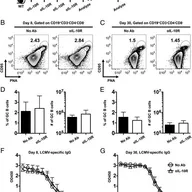
    T cells provide protective immunity against infections by differentiating into effector cells that contribute to rapid pathogen control and by forming memory populations that survive over time and confer long-term protection. Thus, understanding the factors that regulate the development of effective T cell responses is beneficial for the design of vaccines and immune-based therapies against infectious diseases. Cytokines play important roles in shaping T cell responses, and IL-10 has been shown to modulate the differentiation of CD4 and CD8 T cells. In this study, we report that IL-10 functions in a cell-extrinsic manner early following acute lymphocytic choriomeningitis virus infection to suppress the magnitude of effector Th1 responses as well as the generation of memory CD4 and CD8 T cells. We further demonstrate that the blockade of IL-10 signaling during the priming phase refines the functional quality of memory CD4 and CD8 T cells. This inhibition strategy resulted in a lower frequency of virus-specific follicular Th (Tfh) cells and increased the Th1 to Tfh ratio. Nevertheless, neither germinal center B cells nor lymphocytic choriomeningitis virus–specific Ab levels were influenced by the blockade. Thus, our studies show that IL-10 influences the balance between Th1 and Tfh cell differentiation and negatively regulates the development of functionally mature memory T cells.

  • IL-21 and T Cell Differentiation: Consider the Context

    Yuan Tian, Allan J Zajac

    Trends in Immunology 37(8), 557-568

    DOIPDF
    Abstract

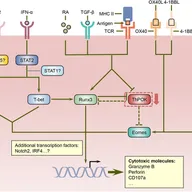
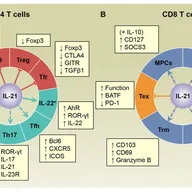
    Accumulating studies demonstrate that IL-21 modulates the differentiation of various CD4 and CD8 T cell subsets and provide insights into the underlying cellular and molecular processes that are influenced by this cytokine. Intriguingly, the effects of IL-21 on T cells can be complex and vary depending on the experimental system used. We review our current understanding of the roles of IL-21 in the generation of phenotypically distinct CD4 and CD8 T cell populations and discuss the potential environmental cues, cellular factors, and molecular mediators that impact the actions of IL-21. We propose that IL-21 acts in a context-dependent manner to accentuate T cell subset development.

  • A context-dependent role for IL-21 in modulating the differentiation, distribution, and abundance of effector and memory CD8 T cell subsets

    Yuan Tian, Maureen A Cox, Shannon M Kahan, Jennifer T Ingram, Rakesh K Bakshi, Allan J Zajac

    The Journal of Immunology 196(5), 2153-2166

    DOIPDF
    Abstract

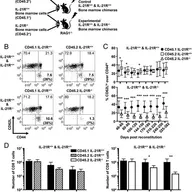
    The activation of naive CD8 T cells typically results in the formation of effector cells (TE) as well as phenotypically distinct memory cells that are retained over time. Memory CD8 T cells can be further subdivided into central memory, effector memory (TEM), and tissue-resident memory (TRM) subsets, which cooperate to confer immunological protection. Using mixed bone marrow chimeras and adoptive transfer studies in which CD8 T cells either do or do not express IL-21R, we discovered that under homeostatic or lymphopenic conditions IL-21 acts directly on CD8 T cells to favor the accumulation of TE/TEM populations. The inability to perceive IL-21 signals under competitive conditions also resulted in lower levels of TRM phenotype cells and reduced expression of granzyme B in the small intestine. IL-21 differentially promoted the expression of the chemokine receptor CX3CR1 and the integrin α4β7 on CD8 T cells primed in vitro and on circulating CD8 T cells in the mixed bone marrow chimeras. The requirement for IL-21 to establish CD8 TE/TEM and TRM subsets was overcome by acute lymphocytic choriomeningitis virus infection; nevertheless, memory virus-specific CD8 T cells remained dependent on IL-21 for optimal accumulation in lymphopenic environments. Overall, this study reveals a context-dependent role for IL-21 in sustaining effector phenotype CD8 T cells and influencing their migratory properties, accumulation, and functions.